.avif)

Presenting a marketing strategy to stakeholders is less about walking through slides and more about telling a clear, convincing story. You’re not just sharing what you plan to do—you’re showing why it matters, how it works, and what results it will drive.
Here’s how to structure that story so it flows naturally and earns stakeholder support.
Use a template to help structure your presentation
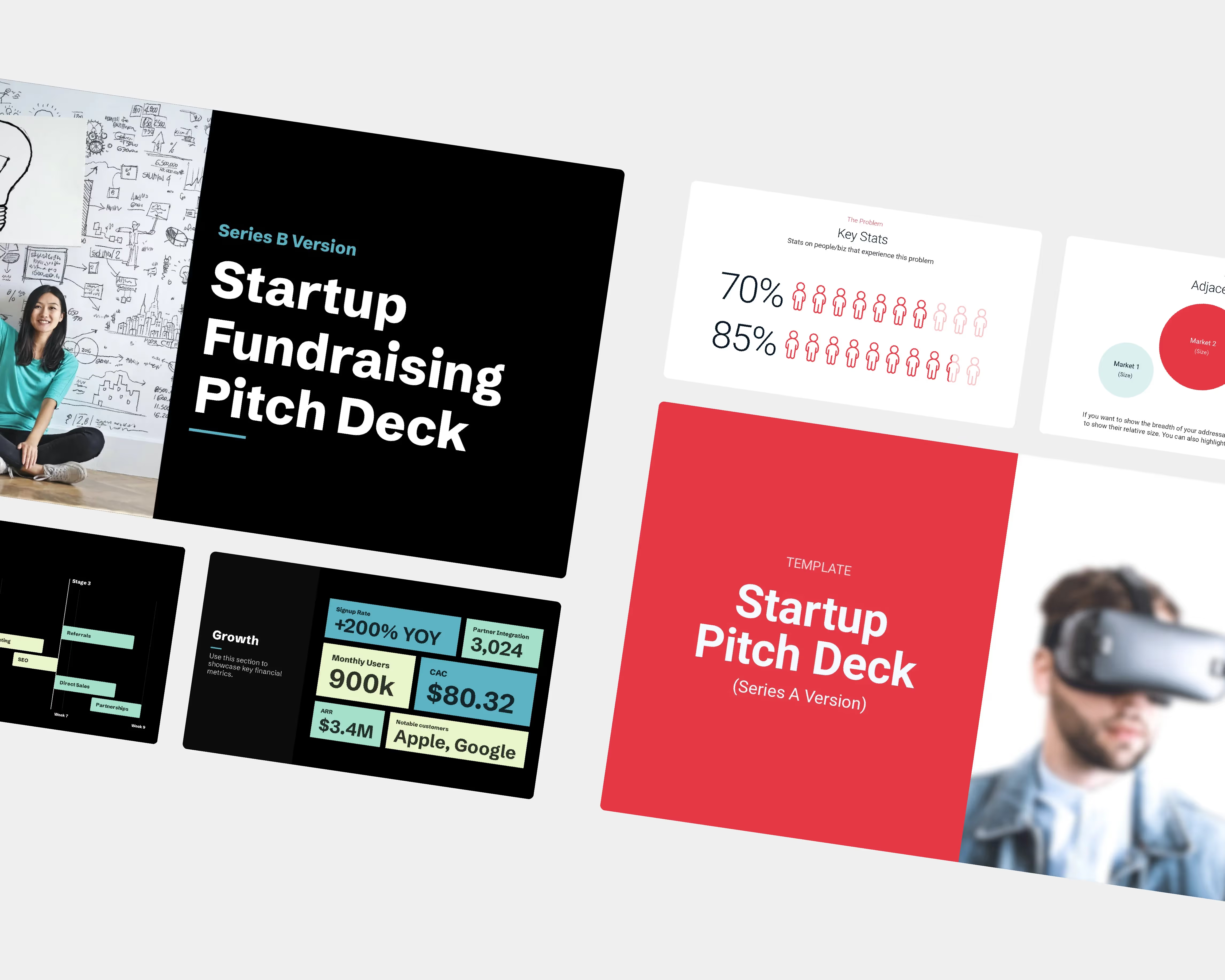
A thoughtful marketing strategy, or marketing plan, presentation template can help you jump in faster without spinning your wheels on where to start. Beautiful.ai’s pre-built presentation templates are fully customizable and built with smart design, so you can focus on tailoring the deck to your story rather than staring at a blank slide. This can help you get your ideas into an impactful presentation that gets buy-in, faster.
Start with the context, not the tactics
Before diving into channels or campaigns, ground your audience in the bigger picture. What’s happening in the business right now? Are you solving a growth problem, entering a new market, or trying to improve efficiency?
Position your strategy as a response to that context. When stakeholders immediately see relevance to business priorities—like revenue, market share, or customer growth—they’re far more likely to stay engaged.
Define what success looks like
Once the stage is set, clarify your objectives. This is where you translate business needs into measurable outcomes.
Keep your goals focused and specific:
- Increase qualified leads by 25% in Q3
- Improve conversion rate from 2% to 3.5%
- Grow adoption within a new target segment
Clear goals give your audience something concrete to evaluate, and something to align around.
Build credibility with audience and market insight
With your goals established, show that your strategy is grounded in real insight. Briefly walk stakeholders through what you know about your audience and the market.
Highlight key points such as:
- Who you’re targeting and why
- The most important customer pain points or motivations
- Any relevant trends or competitive gaps
This step is critical. It demonstrates that your approach is informed, not assumed.
Walk through the strategy in clear pillars
Now you can introduce the strategy itself. Instead of listing tactics, organize your plan into a few clear pillars or themes. This keeps things digestible and easier to follow.
For each pillar, explain:
- What you’re doing
- Why it matters
- The impact you expect
Think of this as the core of your narrative. Each pillar should logically connect back to your goals and insights.
Connect channels and tactics to the bigger plan
After outlining the strategy, bring it to life by showing how it will be executed. This is where channels and tactics come in—but always tie them back to the bigger picture.
For example, explain how:
- SEO and content support long-term demand generation
- Paid media accelerates short-term acquisition
- Email or lifecycle marketing improves retention
This reinforces that your plan is cohesive, not just a collection of activities.
Align investment with expected impact
Once stakeholders understand the plan, they’ll naturally want to know what it requires. Present your budget and resources in a way that connects directly to outcomes.
Outline:
- Where budget will be allocated
- Any tools, platforms, or team support needed
Then link those investments back to expected results. Framing spend as a driver of return—not just a cost—makes approval much easier.
Show how you’ll measure and optimize
Next, explain how you’ll track progress and adapt over time. This reassures stakeholders that the strategy isn’t static.
Touch on:
- Key performance indicators (KPIs)
- How often results will be reported
- How you’ll use data to refine the approach
This demonstrates accountability and a commitment to continuous improvement.
Acknowledge risks and assumptions
No strategy is without uncertainty, and strong presenters address that head-on. Briefly call out the assumptions your plan depends on, along with any potential risks.
More importantly, explain how you’ll respond if things don’t go as expected. This shows foresight and builds trust with your audience.
Close with a clear, confident ask
End your presentation by making your next step explicit. Whether you need budget approval, resource alignment, or strategic sign-off, say it clearly.
A direct ask removes ambiguity and helps stakeholders move from listening to decision-making.
The most effective marketing strategy presentations don’t overwhelm audiences, they guide them. By connecting context, goals, insights, and execution into a single, logical flow, you make it easy for stakeholders to understand your thinking and support your plan.





.avif)